The Telegram Ban: When Fighting Exam Fraud Becomes a Tool Against 150 Million Users
# The Telegram Ban: When Fighting Exam Fraud Becomes a Tool Against 150 Million Users
By IndianYug | Analysis | June 17, 2026
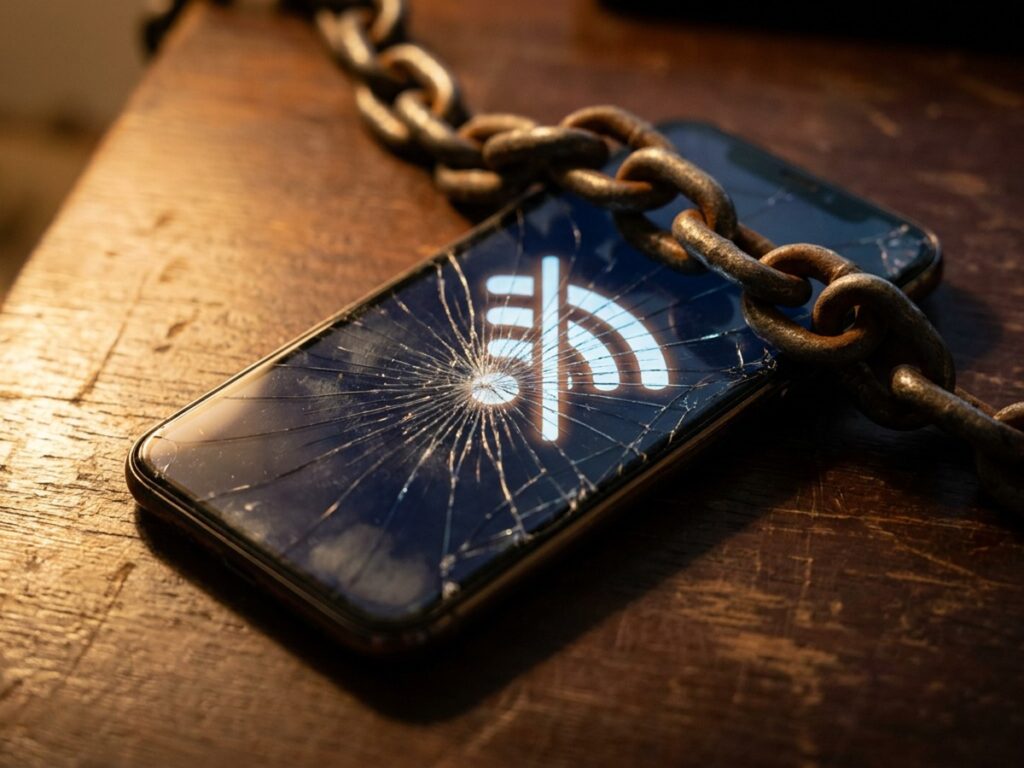
On June 16, India’s IT ministry told internet providers to block Telegram nationwide. The ban runs until June 22. A separate order asks Telegram to kill its message-editing feature in India until June 30.
Organized cheating networks were using Telegram to defraud NEET-UG candidates. Selling fake question papers. Spreading misinformation. Fabricating “leak evidence” by editing old messages to look like they predicted the paper. With the re-examination scheduled for June 21, the government called it a “measure of last resort.”
Whether a blanket platform ban actually stops exam fraud is another question entirely.
What the government says
The National Testing Agency (NTA), which runs NEET-UG, said the action targets “the organized use of the platform by cheating rackets to defraud candidates.” Both measures were taken “in the interest of public order.”
The cybercrime investigation found a specific pattern. Channel admins post a harmless message before the exam. After the test is done and the real question paper is public, they edit that old post to insert the paper — keeping the original timestamp. The screenshot gets circulated as “proof” the leak happened beforehand.
This is why the editing feature was targeted. The government calls it closing a “post-examination window of fabrication.”
Channels were found running with names like “PAPER LEAKED NEET,” “Re-NEET 2026,” “Private Mafia,” and “REE NEET MAFIAA” — openly asking for payments ranging from “a few thousand to several lakhs of rupees” from anxious students and their families.
The Indian Cyber Crime Coordination Centre (I4C), working with police from Bihar, Gujarat, and Rajasthan, said it took down a “substantial number” of such channels. But it wasn’t enough. Hence the blanket block.
What the critics say
The Internet Freedom Foundation (IFF) called it a “band-aid solution and a disproportionate answer to exam fraud.” Telegram CEO Pavel Durov was more direct.
“India’s IT ministry banned Telegram for one week because some users shared leaked exam questions,” Durov posted on X. “This punishes 150M+ ordinary Telegram users in India — not the insiders who leaked the exam materials. And the ban hasn’t stopped anything. The leaks just moved to other apps.”
He’s right about the numbers. India is Telegram’s biggest market by downloads — roughly 150 million users. The ban hits small business owners who use Telegram for customer communication. Students in study groups. Journalists who rely on it for secure channels. The actual paper leakers — insiders within the examination system — don’t need Telegram to do what they do.
IFF also questioned the legal basis. Section 69A of the IT Act lets the government block online content. But does it allow blocking an entire platform? If the answer is yes, the precedent is troubling: any app where wrongdoing occurs could face a shutdown instead of targeted action against the violators.
The enforcement reality
As of publication, the ban wasn’t uniformly enforced. Telegram remained accessible to anyone with a VPN. Google pulled the app from the Play Store. Apple was expected to follow.
The ban catches every ordinary user. It does nothing to stop someone with a free VPN. Durov pointed out that the activity simply moved to other apps. The paper leak economy doesn’t depend on any single platform.
The bigger picture
Two separate crises collided to produce the Telegram ban.
The first is the crisis of India’s exam system. NEET-UG — taken by over 2.2 million students annually — was cancelled last month after a paper leak that triggered a federal investigation and nationwide protests. Rahul Gandhi demanded the education minister’s resignation. The Cockroach Janta Party, a satirical political movement, organized protests across the country. The government is under real pressure to show it’s acting.
The second is the growing friction between the state and encrypted platforms. India has been here before — TikTok was banned in 2020. But Telegram is different. It’s infrastructure for millions: a messaging app, a broadcast tool, a file-sharing network, a community platform. Blocking it entirely because some users misuse it is about as blunt as policy gets.
The government’s own data shows the criminal channels were identifiable. I4C confirmed it took down a “substantial number” of them. Why targeted enforcement was abandoned for a blanket ban is a question that hasn’t been answered.
What happens next
The ban lifts June 22, the day after the re-examination. The editing feature stays restricted until June 30.
But the questions don’t go away with the block.
Does Section 69A actually permit platform-level bans, or is it meant for specific content and URLs? Will the government go back to working with Telegram to take down fraudulent channels, or is this the new template? And when the next exam scandal hits — or when the cheating networks migrate fully to WhatsApp, Signal, or Discord — what then?
The NTA called this a “temporary, necessary measure” for a specific crisis. It might well be. But temporary measures have a way of becoming permanent precedents. India just set one.
This article was reported and written with journalistic standards of neutrality and factual accuracy. Sources include official statements from the National Testing Agency, the Ministry of Electronics and Information Technology, the Internet Freedom Foundation, statements from Telegram CEO Pavel Durov, and reporting from TechCrunch, Indian Express, CNBC, and Times of India.